Apple and Intel's Chip Deal Is Stranger Than It Sounds — Here's What's Actually Going On
This isn't a reunion. It's Apple quietly building an escape hatch from its single biggest supply risk.

Wait — Didn't Apple Dump Intel Years Ago?
Yes, and that's exactly what makes this story so interesting. Back in 2020, Apple made a very public break from Intel, switching its Mac lineup to its own in-house Apple Silicon chips. It was the kind of split that felt permanent — Apple had clearly outgrown Intel's chip designs and never looked back. So when the Wall Street Journal reported in May 2026 that Apple and Intel had reached a preliminary chip manufacturing agreement, the headline looked like a reconciliation. It isn't. Read it again carefully: Intel is not designing chips for Apple. Apple is potentially hiring Intel's factories to *build* chips that Apple itself designs. That's a completely different relationship. Think of it this way: imagine you've always had one tailor who makes all your suits. You're not switching tailors because you love their designs — you're asking a second tailor to learn your measurements as a backup. The clothes are still yours. The craftsmanship is what you're sourcing. This distinction matters enormously, and most of the breathless headlines about an 'Apple-Intel reunion' miss it entirely.
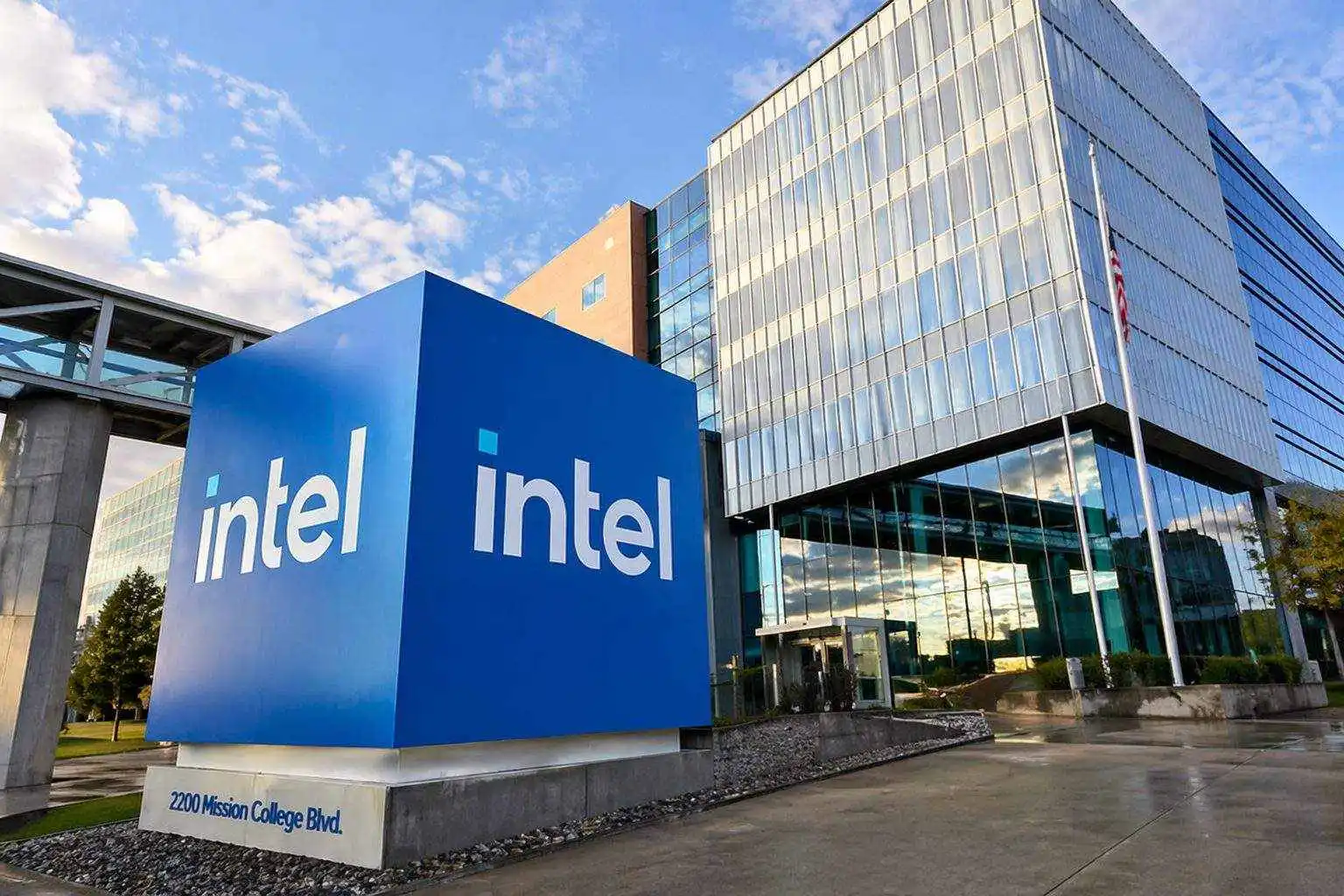
The Real Story: Apple Has a TSMC Problem It Can't Ignore
Here's the situation Apple is actually managing. Right now, TSMC — Taiwan Semiconductor Manufacturing Company — makes essentially all of Apple's most advanced chips. Every A-series chip in your iPhone, every M-series chip in a MacBook. All of it flows through one company, based almost entirely in Taiwan. Apple is TSMC's second-largest customer, topped only by Nvidia, according to chip analyst Ben Bajarin of Creative Strategies. That sounds like a position of strength, but it cuts both ways. When AI chip demand exploded and every major tech company started competing for TSMC's most advanced production capacity, Apple found itself in a queue — and TSMC's wafer capacity, as Bajarin put it, 'can only go so far.' There's also a deeper, structural risk that has nothing to do with queues. When one supplier makes everything critical to your product line, that supplier holds enormous leverage over your pricing, your timelines, and your roadmap. It's the kind of single-point dependency that keeps supply chain strategists awake at night. > **Jargon-Free Explainer: What Is a Foundry?** > A chip foundry (or fab) is a factory that manufactures chips designed by other companies. TSMC doesn't design the chips inside your iPhone — Apple does. TSMC just builds them to Apple's exact specifications, at nanometre-scale precision. Intel Foundry Services is Intel's attempt to offer the same service to outside customers.

So Why Intel, and Why Now?
Intel's pitch to Apple rests on one thing: its new 18A process node. This is Intel's most advanced manufacturing technology, using what Intel calls RibbonFET transistor architecture and PowerVia backside power delivery — both genuine engineering advances. Intel positions 18A as competitive with TSMC's 2nm node, which is currently the global state of the art. The credibility question is real, though. For years, Intel's manufacturing fell behind TSMC, plagued by delays and low yields. Bajarin described Intel's current 18A as 'a little bit rough,' suggesting Apple is more likely to wait for Intel's next iteration — called 18A-P — which Bajarin said 'cleans a lot of stuff up' and could scale as soon as next year. Intel has a new chip fabrication plant now in high-volume production in Chandler, Arizona, making chips on 18A. That physical capacity is real. But Intel Foundry's own financials tell the honest story: in Q1 2026, the division posted revenue of $5.4 billion — but only $174 million of that came from external customers. The rest was Intel making chips for itself. Operating loss was a steep $2.4 billion. Intel needs Apple far more than Apple needs Intel right now. Bajarin's assessment is direct: 'Intel is the only place that can scale up capacity as a viable second source.'

What Would Apple Actually Make at Intel's Factories?
This is where expectations need grounding. Apple is not going to hand Intel the designs for its flagship A-series iPhone chips or M-series Mac processors on day one. Chip designs are, as Macworld notes, 'largely fab-specific' — you can't simply take a design optimised for TSMC's process and drop it into Intel's factory without significant re-engineering work. The more realistic starting point, analysts suggest, is chips that sit a step back from the bleeding edge: the S-series chips used in Apple Watch, or Apple's networking and connectivity chips (the N or C series). These are still strategically important components, but they're not the crown jewels of Apple's silicon programme. The deal also remains preliminary. Neither Apple nor Intel has officially confirmed it, and no specific timeline or product details have been disclosed. Process development and design work would need to happen before any revenue flows — which is why analysts noted that any financial impact for Intel is still some way off, even after the stock market's enthusiastic reaction.

What to Watch Next
Three things will tell you whether this deal has real weight or stays a headline: **Intel's 18A-P readiness.** Bajarin flagged this next-generation node as the more likely manufacturing target for Apple. Watch for Intel's yield and production data as it scales the Arizona fab — that's the technical gate this whole relationship has to pass through. **Computex 2026.** Intel is set to show off Nova Lake, Panther Lake, and Clearwater Forest processors — all built on 18A — at the Computex conference. If those chips perform well in public, it significantly strengthens the credibility of Intel's foundry pitch to Apple and other potential customers. **Who else joins the queue.** Bajarin's logic is that Apple's endorsement carries disproportionate weight. If Apple is seen committing real production to Intel Foundry Services, it could unlock conversations with AMD, Nvidia, and hyperscalers who have been watching from the sidelines. Intel's foundry business needs external revenue urgently — $174 million against a $2.4 billion operating loss is not a sustainable position. Apple isn't just a customer here. It's potentially a signal to the entire industry.
Sources
- [1]Intel Apple Chip Deal 2026: Why INTC Stock Surged 240% on Foundry News — Intellectia AI
- [2]Intel shares soar on Apple chip deal report. Here's why it signals a total pivot for chipmaking — CNBC
- [3]Intel Stock Jumps on Apple Chip Deal: Why the Foundry Bet Suddenly Matters — TechStock²
- [4]Apple and Intel reach preliminary agreement on chip production - WSJ — Українські Національні Новини (УНН)
- [5]Report: Apple has reached a preliminary deal with Intel to make chips in the U.S. — Macworld
Comments
No comments yet — be the first to weigh in.