Building a PC That Beats the PS5 in 2026: What to Actually Buy and What the YouTubers Leave Out
Sony's price hike is real. Here's the honest Malaysian cost breakdown nobody shows you.
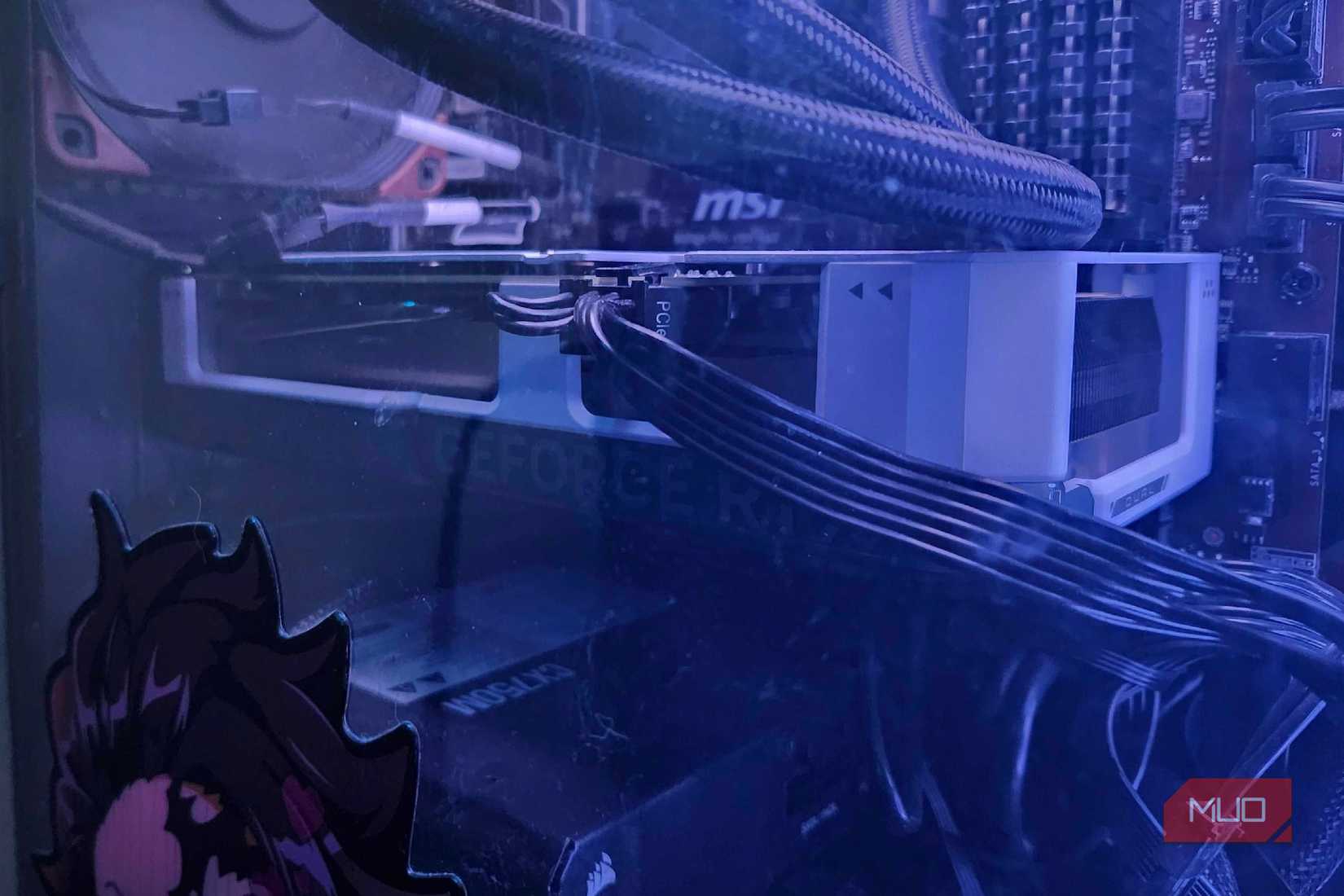
Sony just made the decision easier — and harder — at the same time. The PS5 now starts from RM2,499 in Malaysia after Sony's 2026 global price hike, and the PS5 Pro has crossed the RM4,000 mark in some markets. Cue every PC gaming YouTuber dropping a 'build a better PC for the same price' video, complete with clean component shots and suspiciously low totals. Here's what those videos consistently skip: the RAM crisis has sent DDR5 prices through the roof, SSDs cost more than they did a year ago, and nobody's adding in the Windows license, monitor, peripherals, or the fact that PS5 exclusives are quietly disappearing from PC storefronts. This guide builds the honest version — what a PS5-level gaming PC actually costs a Malaysian buyer in 2026, component by component, with no rounding down.
#1 AMD Radeon RX 7700 XT (GPU — the heart of the build)
7/10No confirmed Malaysian MSRP at time of writing.
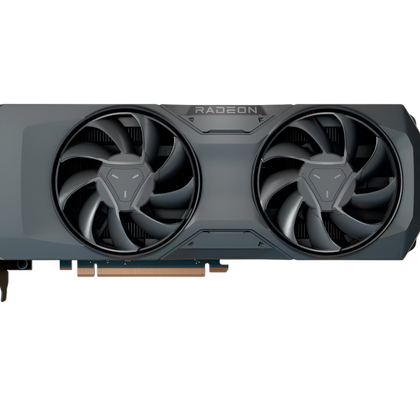
Best for: PC builders who want the closest hardware match to PS5 Pro performance without paying RTX 4070 prices. Best paired with FSR 4-supported games.
Pros
- +Closest GPU equivalent to the PS5 Pro's actual hardware — closer to it than the RTX 4070 that gets thrown around in headlines
- +12GB VRAM gives headroom for modern AAA titles at 1440p
- +FSR 4 support now extended to RDNA 2/3 cards via INT8 leak, narrowing the upscaling gap with PSSR
- +Raw rasterization beats the PS5 Pro's RDNA 2 architecture thanks to newer RDNA 3
Cons
- −PS5 Pro's Enhanced PSSR upscaling is still meaningfully better than FSR 3.1 — FSR 4 helps but doesn't fully close the gap
- −Console's unified memory architecture means the PS5 Pro can punch above its spec sheet in optimised first-party titles
- −No confirmed local stock at stable pricing — subject to RAM/VRAM shortage price swings
- −Used market carries defect risk — verify seller reputation carefully
#2 AMD Ryzen 5 9600X (CPU)
8/10Budget approximately RM700–RM900 based on regional trends.
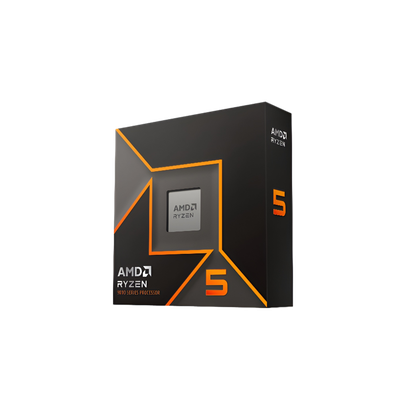
Best for: Budget-conscious builders who want a capable gaming CPU on AM5 without paying a premium for 3D V-Cache. Solid baseline for a PS5-level build.
Pros
- +Paired with the RX 7700 XT in the Digital Foundry-referenced PS5 Pro-equivalent build — a validated combination
- +AM5 platform gives upgrade headroom without changing motherboard
- +Strong single-core performance for gaming workloads
- +Runs cool enough to avoid expensive cooling solutions in a budget build
Cons
- −AM5 motherboards add to total build cost — budget boards still needed to keep the overall price competitive
- −Not a 3D V-Cache chip — if you want maximum gaming performance, the 7600X3D or 9600X3D is better but costs significantly more
#3 32GB DDR5 RAM Kit (the component YouTubers quietly skip)
5/10No confirmed MYR price in sources. US pricing above USD200 (~RM940+) for DDR5-6000 16GBx2 kit as of mid-2026.
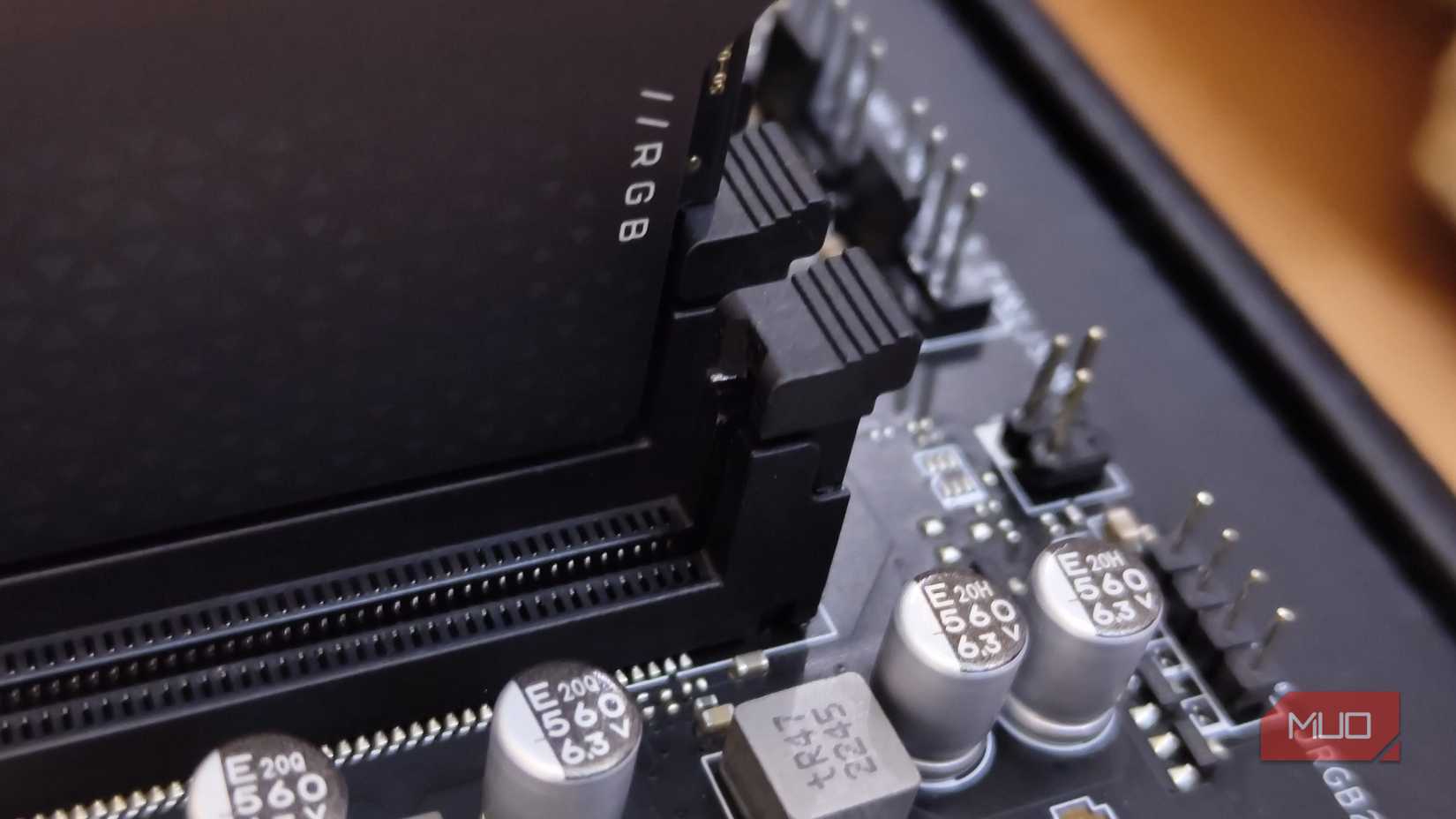
Best for: Every single person building a gaming PC in 2026. This is not optional. Budget for it honestly before you commit to anything else.
Pros
- +32GB is now the practical baseline for modern AAA gaming — 16GB causes stutters in current titles
- +DDR5 is required for AM5 platform compatibility
- +Future-proofs the build as game RAM requirements continue climbing
Cons
- −This is the line item that blows up every 'budget PS5-beating build' — the Digital Foundry-referenced build forgot to include it and the total jumped from USD963 to USD1,200+
- −AI data centre demand has sent DDR5 prices to levels unthinkable in early 2025 — a 32GB kit that cost RM450–RM600 a year ago now costs nearly double
- −DDR4 is no longer a meaningful budget escape — those prices have risen too
- −Price volatility is extreme — what you see today may not be what you pay next week
#4 MSI A620A Motherboard (AM5 budget board)
6/10Budget approximately RM400–RM550.
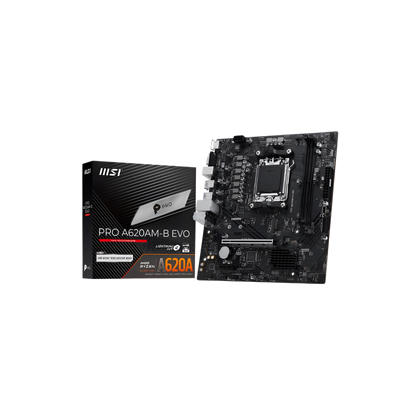
Best for: Builders who want AM5 platform access at the lowest possible entry cost. Pair with Ryzen 5 9600X and don't push it harder than that.
Pros
- +Entry-level AM5 board keeps platform costs down
- +Supports Ryzen 5 9600X and future AM5 CPUs
- +Adequate for a PS5-level gaming build without overclocking ambitions
Cons
- −Limited overclocking headroom — not the board for enthusiasts
- −Budget VRMs mean you'll want to upgrade the board if you ever move to a higher-TDP CPU
#5 Corsair CX750M PSU (750W modular)
7/10Budget approximately RM350–RM500.
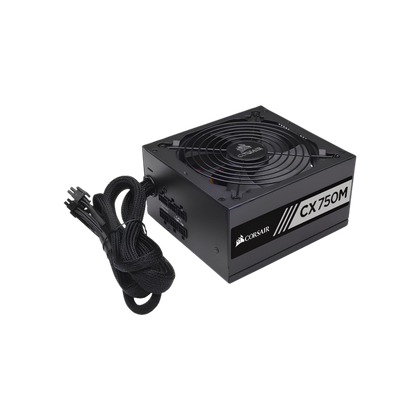
Best for: Budget builders who want a name-brand PSU without paying full modular prices. Reliable enough for a PS5-level gaming rig.
Pros
- +750W is adequate headroom for an RX 7700 XT + Ryzen 5 9600X build
- +Semi-modular design keeps cable clutter manageable in a budget case
- +Corsair brand has reliable local warranty support through Malaysian distributors
Cons
- −Not 80+ Gold — efficiency could be better for a long-term build
- −Semi-modular means some fixed cables you may not need
#6 1TB NVMe SSD (storage — the other skipped line item)
6/10NAND flash prices have surged in 2026 due to AI demand — budget RM300–RM500+ for a reputable 1TB PCIe 4.0 drive. 2TB recommended for a gaming library but costs more.
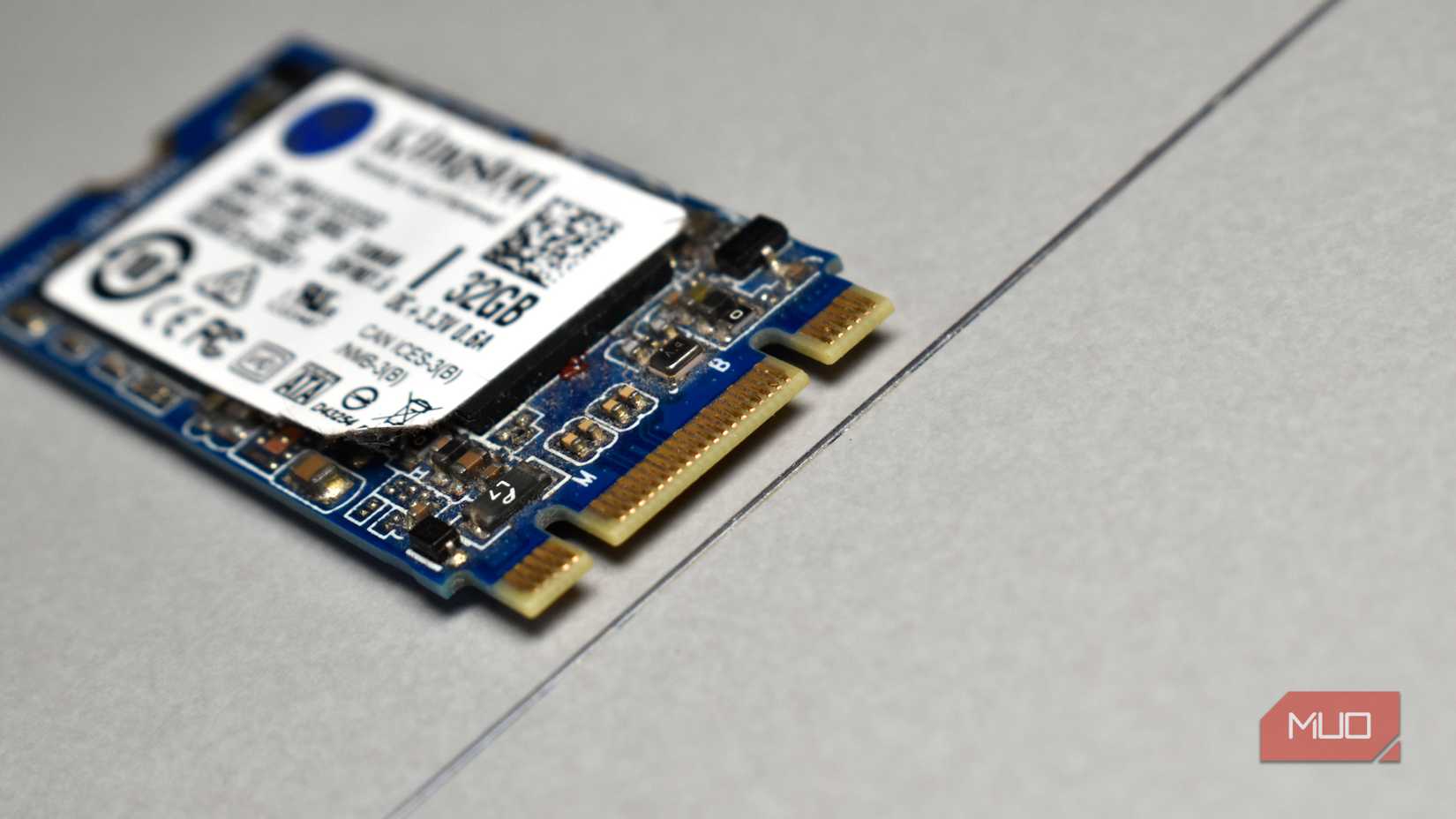
Best for: Anyone building a gaming PC in 2026. Start with 1TB minimum, budget for 2TB if you can. Do not substitute an HDD — you will regret it.
Pros
- +NVMe SSD is non-negotiable — HDD storage causes stutters in modern AAA titles
- +1TB gets you started, though modern games regularly exceed 100GB each
- +PCIe 4.0 speeds match or exceed PS5's custom SSD in most real-world gaming scenarios
Cons
- −NAND flash prices have skyrocketed in 2026 — severe market pressures from AI data centre demand mean prices are volatile and stock sells out fast
- −1TB fills up fast with a modern gaming library — budget for 2TB if possible
- −Unlike PS5's fixed internal SSD, you'll need to factor this into your build budget explicitly — YouTubers often use a drive they already own
Quick reference
| # | Product | Price | Verdict | Buy |
|---|---|---|---|---|
| 1 | AMD Radeon RX 7700 XT | ~RM1,650+ (check Shopee/Lazada) | Core component — the GPU that actually matches PS5 Pro hardware | ShopeeLazada |
| 2 | AMD Ryzen 5 9600X | ~RM700–RM900 (check Shopee/Lazada) | Validated CPU pairing for a PS5 Pro-level build | ShopeeLazada |
| 3 | 32GB DDR5 RAM Kit | ~RM940–RM1,200+ (volatile — check daily) | The number YouTubers forget — do not skip this line item | ShopeeLazada |
| 4 | MSI A620A Motherboard (AM5) | ~RM400–RM550 (check Shopee/Lazada) | Cheapest viable AM5 entry point | ShopeeLazada |
| 5 | Corsair CX750M PSU | ~RM350–RM500 (check Shopee/Lazada) | Reliable, adequate wattage for this build tier | ShopeeLazada |
| 6 | 1TB NVMe SSD | ~RM300–RM500+ (volatile — check daily) | Non-negotiable — HDD is not an option in 2026 | ShopeeLazada |
Here is the number the YouTube build videos do not show you: a genuine PS5-level gaming PC in Malaysia in 2026 — GPU, CPU, 32GB DDR5, motherboard, PSU, 1TB SSD, a case, and a Windows 11 license — lands somewhere between RM5,500 and RM7,000 before you touch a monitor, keyboard, mouse, or headset. The PS5 Disc Edition now starts at RM2,499 in Malaysia. That gap is real, and it matters. The PC wins on game prices over time, free online multiplayer, backwards compatibility that actually works, and the ability to upgrade piece by piece — but only if you play enough games, for long enough, to close the cost difference. If you want to play Gran Turismo 7, God of War, and Astro Bot on a couch with zero setup friction, the PS5 at RM2,499 is not the irrational choice right now — it is arguably the smarter one. The PC makes sense if you are already invested in the ecosystem, if you game heavily on a desk, or if cheap Steam sales and Game Pass are part of your actual lifestyle. Do the use-case math for yourself — just do it with honest numbers.
Sources
- [1]The 6 Best Gaming Headsets of 2026 — rtings.com
- [2]PS5 PRO Costs 900 Build A PC That Beats IT FOR THE Same Price — makeuseof.com
- [3]SSD price tracking 2026: Lowest price on every M.2 SSD from Samsung, Western Digital, Crucial, and more — here are the best deals during the AI-driven pricing crisis — tomshardware.com
- [4]I built my own Steam Machine from an affordable mini PC – and have barely turned on my PS5 Pro since — t3.com
- [5]THE RAM Crisis MAY Help Consoles IN THE Biggest WAY — xda-developers.com
- [6]Despite PS5 Pro getting more expensive, gamers seemingly have no other option as pre-built gaming PCs cost over $1,000 — notebookcheck.net
- [7]Is It Still Cheaper To Build Your Own PC In 2026? - BGR — bgr.com
- [8]The Best Gaming PC of 2026 - IGN — ign.com
- [9]I'm a PC gamer and these are the best gaming PCs right now for all budgets — techradar.com
- [10]Lenovo Legion Go 2 price hike hits Malaysia, now as high as RM7109 | TechNave — technave.com
- [11]I'm a hardcore PC gamer, and these are my picks for the 7 best gaming laptops of 2025 — techradar.com
- [12]A Malaysian just spent over RM33K on a custom Cooler Master Shark X gaming PC | TechNave — technave.com
- [13]PS Plus Subscription Prices Going Up In Southeast Asia — gamermatters.com
- [14]PlayStation Plus Price to Increase in More Countries — vgchartz.com
- [15]The Sony PlayStation 5 will be launched in Malaysia on 19 November 2020, starting from ~RM1652 | TechNave — technave.com
Comments
No comments yet — be the first to weigh in.