Valve's Steam Machine Revival Is Structurally Different From the 2015 Flop — Here's the Autopsy and the Case For Why This Time Is Different
Four SKUs, Proton maturity, and Steam Deck credibility change the calculus entirely.
You've Seen This Movie Before — But the Script Has Changed
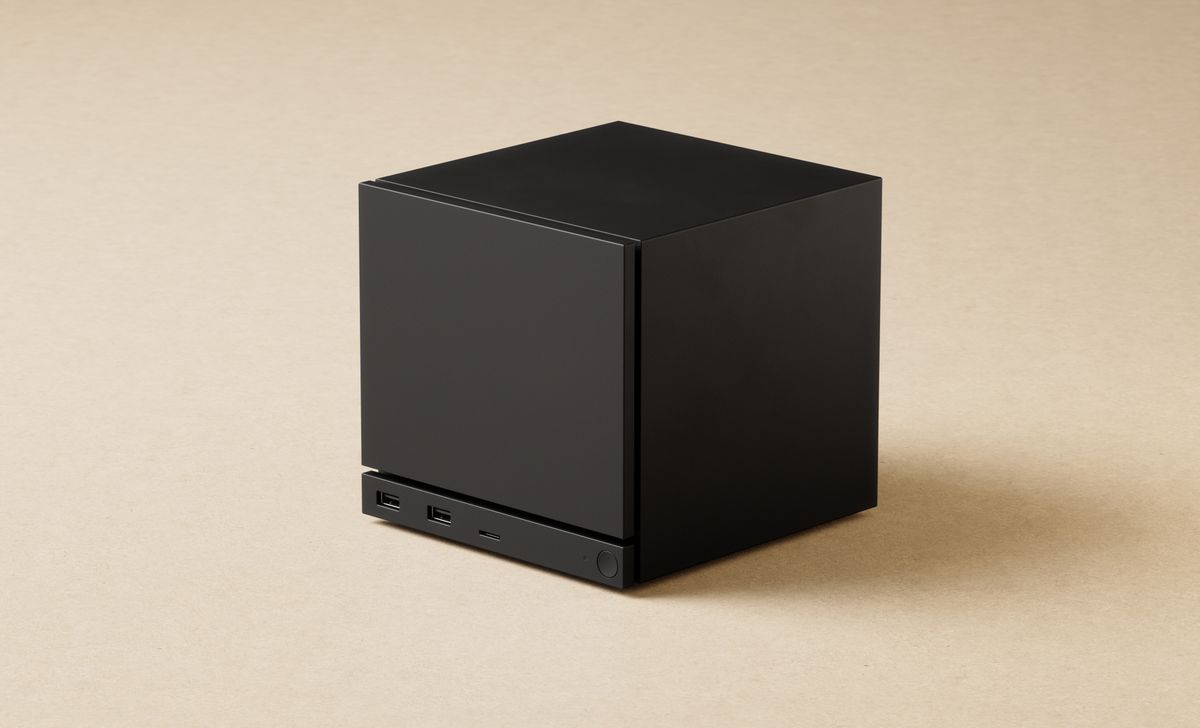
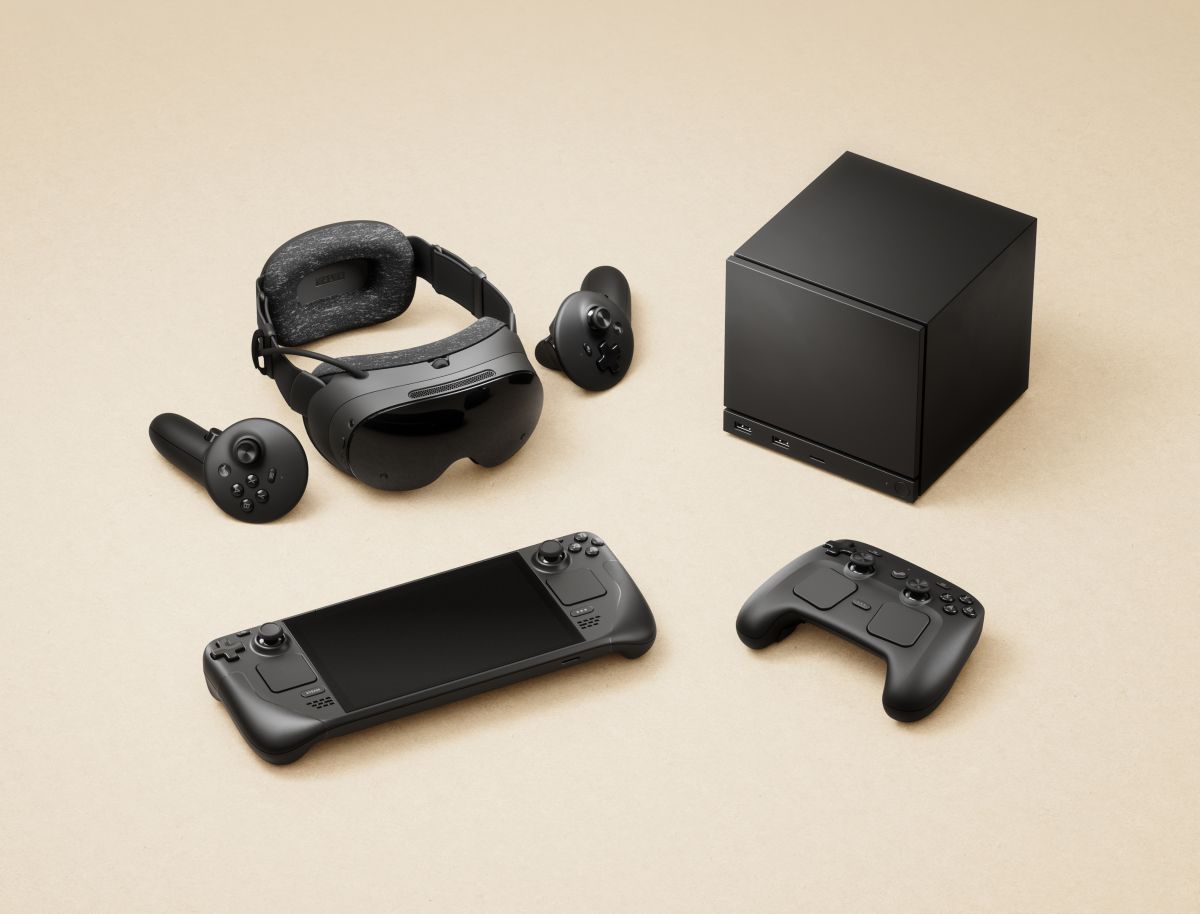
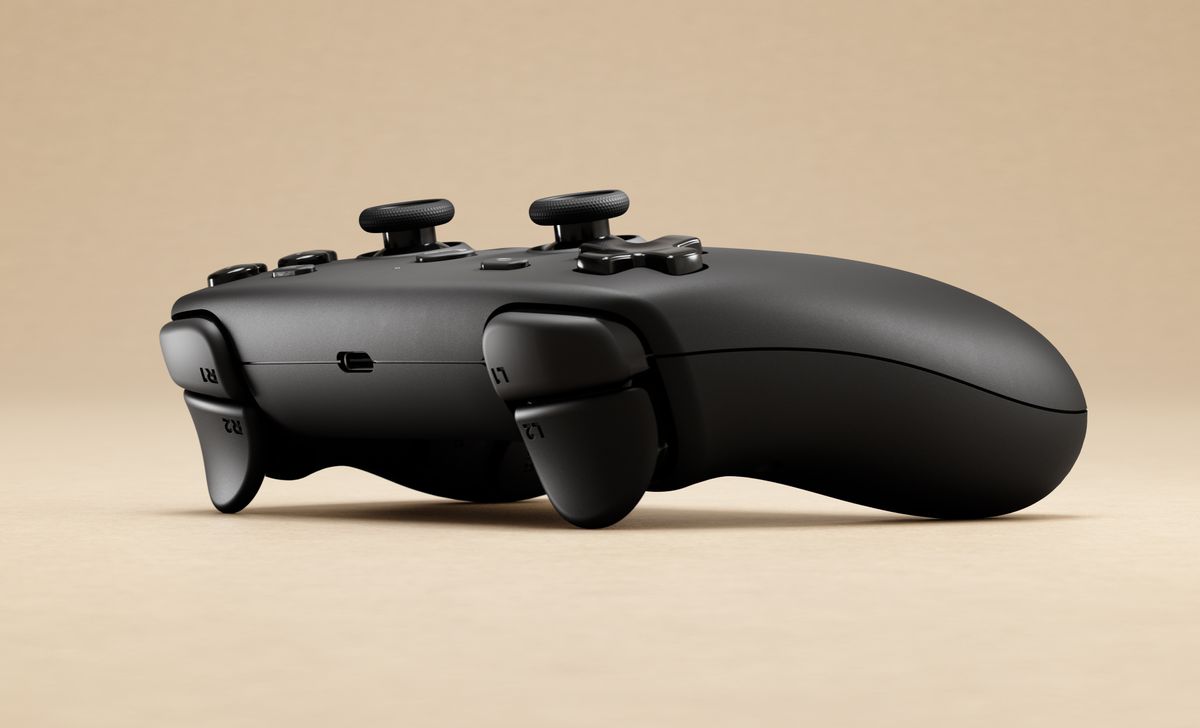
Cast your mind back to 2015. Valve, flush with confidence from dominating PC gaming distribution, decided to take on Sony and Microsoft in the living room. They partnered with manufacturers like Alienware and Lenovo, slapped SteamOS on small-form-factor boxes, and called them Steam Machines. By 2018, the whole project had quietly died. Now it's November 2025, and Valve just announced — on the same day — a new Steam Machine, a new Steam Controller, and a standalone VR headset called Steam Frame. All three are targeting a Spring 2026 launch. The Steam Machine is described as a six-inch cube, roughly the size of a GameCube, powered by a six-core AMD Zen 4 CPU and a semi-custom RDNA 3 GPU. Valve claims it is six times more powerful than the Steam Deck and capable of 4K gaming at 60fps using AMD's FidelityFX Super Resolution upscaling. The kneejerk reaction is déjà vu. The more useful question is: what exactly killed the first attempt, and has any of that actually changed?
Autopsy of the 2015 Failure: It Wasn't Just Bad Timing
The 2015 Steam Machines didn't fail because the concept was wrong. They failed for specific, diagnosable reasons — and understanding them is the only way to evaluate whether 2026 is genuinely different. The core problem was software compatibility. SteamOS at the time ran Linux natively, and most Steam games were built for Windows. Without Proton — the compatibility layer that translates Windows game calls to Linux — a huge portion of the Steam library simply didn't run on SteamOS. Buying a Steam Machine meant buying access to a fraction of the library you'd paid for on your Windows PC. That's a dealbreaker at any price point. The second problem was OEM fragmentation. Valve partnered with multiple manufacturers who had no real incentive to deeply optimise their hardware for SteamOS. Each box had different specs, different build quality, different support. There was no coherent product story. And critically, Valve's own hardware credibility was essentially zero at that point — they had never shipped a compelling piece of consumer hardware themselves. The third problem was price. The Steam Machines were competing against the PS4 and Xbox One at similar or higher price points, without the software ecosystem advantages those consoles had. There was no compelling reason to choose them.

What Has Structurally Changed Since 2018
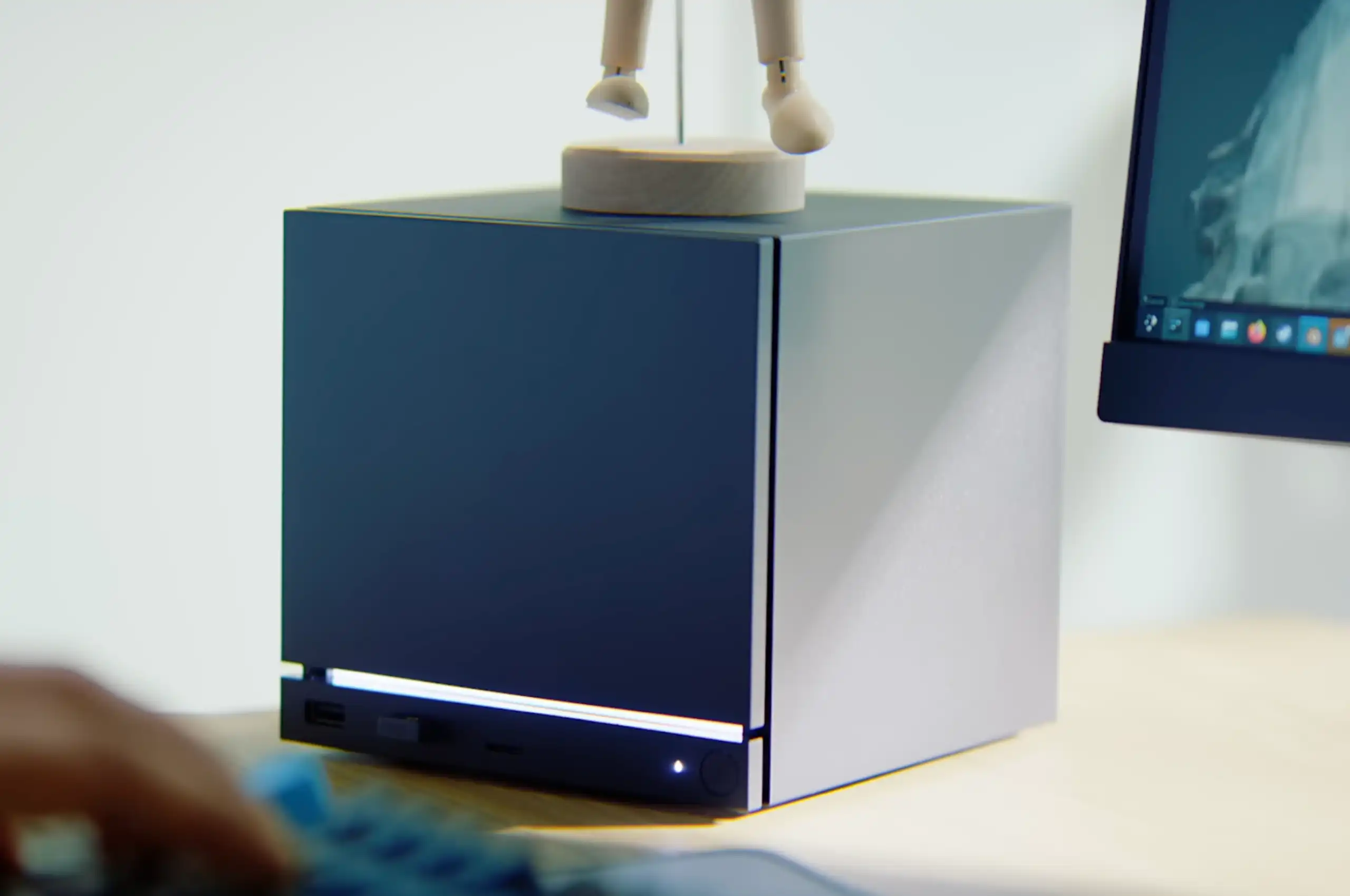
Three things are meaningfully different now, and they address each of the 2015 failure points directly. First, Proton. Valve spent years building Proton into a mature compatibility layer that lets Windows games run on the Linux-based SteamOS — and according to Valve, it sometimes runs them *faster* than on Windows. The new Steam Machine's performance targets — 4K at 60fps, ray tracing in games like Cyberpunk 2077 — are described as relying in part on "continuing improvements to Proton." The software incompatibility wall that killed the first generation has been substantially dismantled. Second, hardware credibility. The Steam Deck launched in 2022 and is described by multiple sources as having kicked off the handheld gaming craze. Valve is no longer a software company dabbling in hardware — it has a proven track record of shipping a device that people genuinely love. That matters enormously for consumer trust. Third, the hardware itself is serious. The new Steam Machine runs at around 200W of power — compared to the Steam Deck's constrained handheld envelope — which is what enables the 4K performance claims. The device also includes features clearly designed for living-room use: a front-mounted light bar showing download progress, HDMI-CEC support for controlling TV power and inputs, an integrated power supply, and even swappable face plates including wooden options.
Four SKUs: What Price Tiering Signals About Valve's Strategy
The article angle references four Steam Machine packages being prepared, which implies deliberate market segmentation — Valve is not trying to hit one price point and hope for the best. This is a more sophisticated commercial approach than 2015, where OEM partners produced scattered configurations with no coherent pricing ladder. Pricing has not been announced as of the sources available. What the sources do confirm is that Valve has yet to officially set a price for the Steam Machine, and that external pressures — US tariffs, supply chain disruptions, and component shortages driven by AI industry demand — could push prices higher than Valve intends. Windows Central notes specifically that these macro factors are a genuine risk to hitting a console-competitive price point. The competitive benchmark is clear: at the low end, the Steam Machine needs to justify itself against a PS5 or Xbox. At the high end, it needs to offer enough over a mid-range gaming PC to be worth the living-room convenience premium. The ~200W power envelope and AMD RDNA 3 GPU give it the hardware to compete — but the price has to land right for the segmentation strategy to work. Valve acknowledged that graphically demanding games on engines like Unreal Engine 5 may still require players to scale back settings for smoother frame rates, which is an honest caveat that sets appropriate expectations.
The Genuine Risk That Hasn't Gone Away
Structural improvement is real, but one original failure mode is still lurking. The 2015 Steam Machines suffered from fragmented OEM hardware creating an impossible support matrix — too many configurations, too little optimisation, too much blame-shifting between Valve and partners when things broke. The new Steam Machine, as announced, appears to be Valve's own first-party hardware. That's a critical difference. But Valve has also historically been open to third parties running SteamOS, and the Steam Frame announcement already includes a note that Valve is "open to bringing SteamOS to third-party VR headsets." If Valve allows downstream SteamOS hardware from OEM partners without enforcing strict hardware certification, the same support matrix problem returns. Proton compatibility depends on a known hardware target. The moment you introduce dozens of different GPU configurations from different manufacturers, the "runs everything" promise starts fracturing at the edges — exactly as it did in 2015. The ecosystem bet Valve is making is genuinely ambitious: Steam Machine for the living room, Steam Deck for portable play, Steam Frame for VR, and Steam Controller tying them together. It positions Valve as a platform, not just a storefront. Whether that coherence survives contact with OEM partners and market pricing pressures is the question that 2026 will answer.
Sources
- [1]Valve's Steam Machine could undercut console pricing — if it can dodge tariffs and hardware shortages driven by AI — Windows Central
- [2]Valve’s Steam Machine to Revive in 2026, Redefining 4K Living Room Gaming — Rolling Stone Philippines
- [3]Valve to take on PlayStation and Xbox with new Steam Machine console and controller - plus a new standalone Steam Frame VR headset — Eurogamer
- [4]Steam Frame’s Price Hasn’t Been Locked in, But Valve Expects it to be ‘cheaper than Index’ — Road to VR
- [5]Valve's console killer is real: Steam Machine packs Zen 4 into a tiny box — Windows Central
Comments
No comments yet — be the first to weigh in.