End-to-End Encrypted RCS Is Finally Here — What It Actually Protects (And What It Doesn't)
The biggest messaging security upgrade in years has a few important asterisks you should know about.
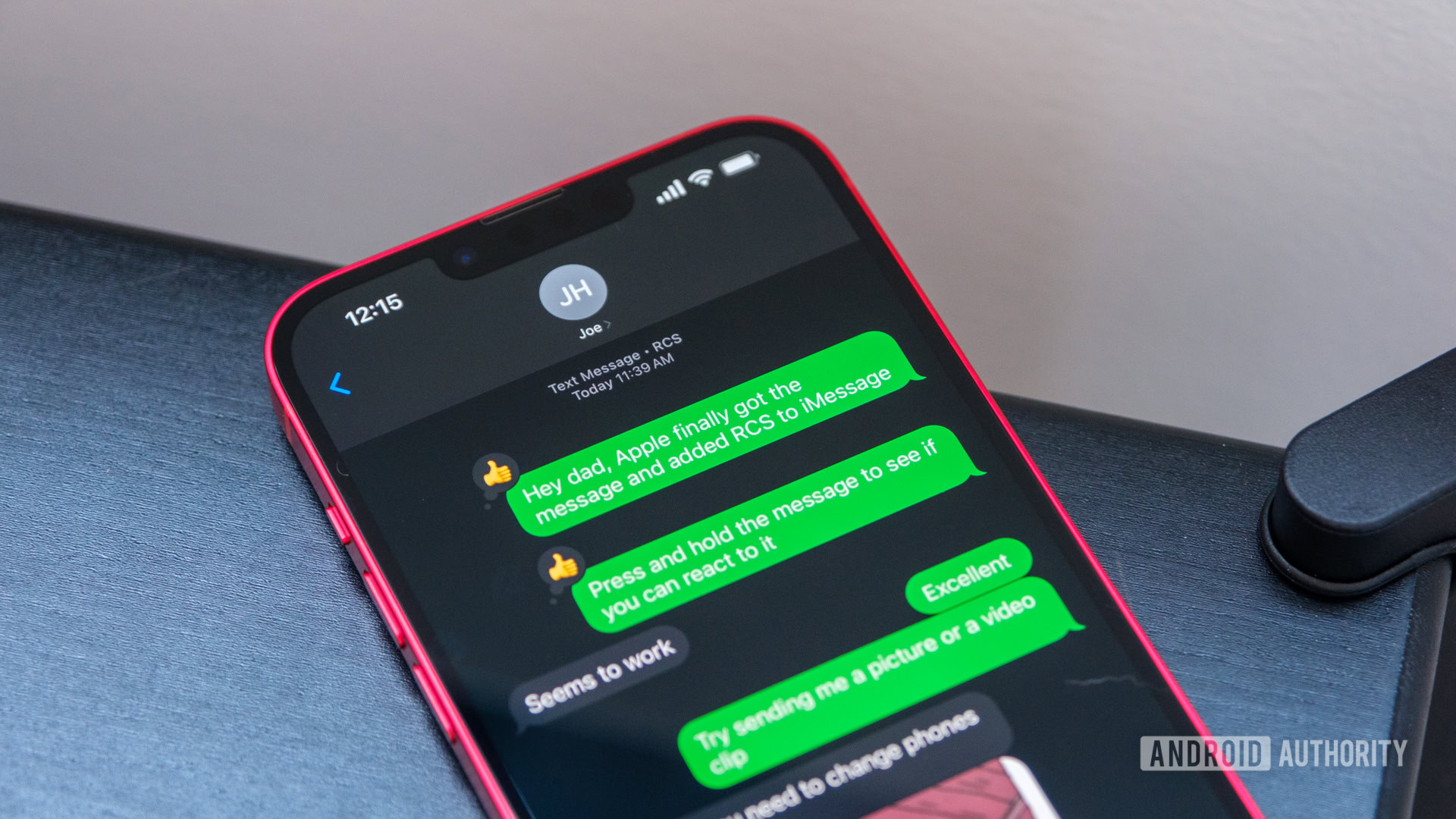
Your texts just got a security upgrade — but do you know what changed?
Think about the last time you sent a sensitive message — a bank detail, a medical question, something you'd rather not have a stranger read. Chances are you sent it on WhatsApp without a second thought, because the little padlock icon has been there for years and you trust it. Now Google and Apple are saying your regular SMS-style messages are getting the same treatment, thanks to end-to-end encrypted RCS. The headlines sound enormous. But before you swap your habits, it's worth understanding exactly what this upgrade covers — and where it stops cold. RCS (Rich Communication Services) is the modern replacement for SMS. Where SMS is essentially a 1990s technology that your carrier routes and can read, RCS runs over data and supports read receipts, high-resolution photos, typing indicators, and message reactions — the features you already love in WhatsApp. The big news is that end-to-end encryption (E2EE) is now being layered on top of RCS, meaning the content of your messages is scrambled so that only the sender and recipient can read them. Not your carrier. Not Google. Not Apple.
What the encryption actually protects — and the gaps you need to know
E2EE on RCS protects the content of your messages in transit. Think of it like a sealed envelope that only you and your recipient can open — the postman (your carrier) can carry it but cannot read what's inside. That's a genuine and meaningful upgrade over plain SMS, where carriers can log message content, and over older RCS, where the pipe was open. But here's where it gets complicated. E2EE protects content, not metadata. Your carrier still knows who you messaged, when, how often, and roughly how much data you exchanged — even if they can't read the words. That traffic pattern is itself a form of information. There's also the fallback problem. RCS only works when both parties have it active and connected via data. The moment one side drops to a poor connection or uses an unsupported carrier, the conversation can fall back to plain SMS — and that fallback is not encrypted. You may not even get a clear warning that this has happened. On top of that, the Android Authority hands-on testing confirmed that at launch, RCS on iPhone was only supported on Verizon, AT&T, and T-Mobile — meaning carrier support is not universal, and in markets outside the US, your mileage will vary significantly.
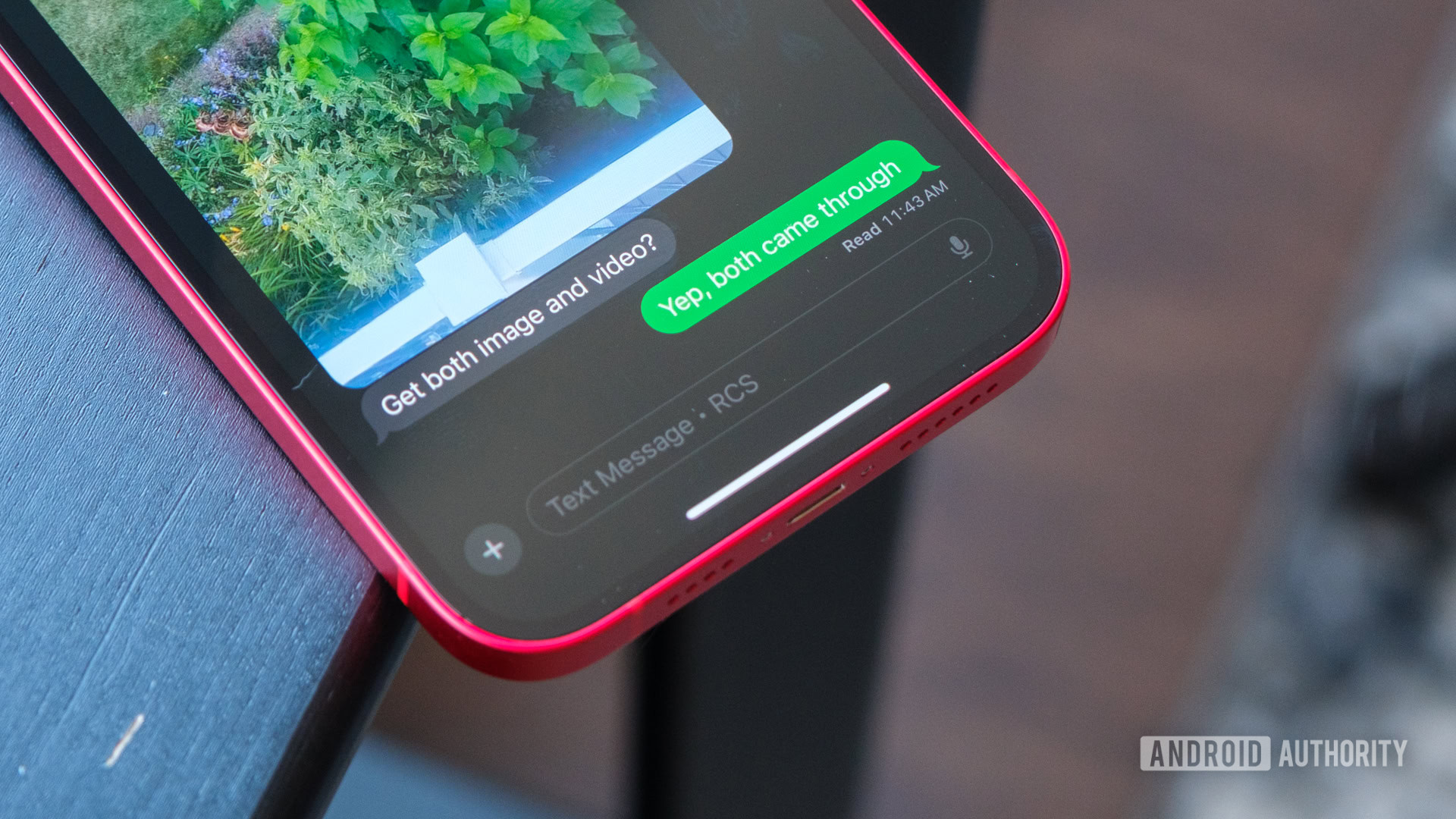
How the iPhone rollout actually works — and how to check if you have it
Apple's RCS support arrived as part of iOS 18, initially through a beta that required actively opting in. The Android Authority journalist who tested it early had to join Apple's Developer Program, dust off an iPhone 14 Plus, and manually flip a toggle in Settings just to try it. That was the beta experience. The good news: that friction is now gone. As of the full public rollout, there is no toggle to flip and no programme to join. If your iPhone is updated to iOS 18 or later — including iOS 26 — Messages handles RCS automatically. The Android Authority test found that basics like message reactions and read receipts worked smoothly between iPhone and Android, described as a major improvement over the generic SMS alerts on iOS 17 and older. On Android, RCS via Google Messages has been available longer and is more broadly supported. The practical check: look for a small indicator in your Messages app that shows whether a conversation is running over RCS. If you see it, you're on the upgraded protocol. If the chat shows as SMS/MMS, you're on the unencrypted fallback — and no amount of assuming otherwise changes that.

What to watch next
The RCS story is still being written. Google is actively expanding RCS capabilities — its Google Fi service announced full RCS support for its Messages for web integration, rolling out in December 2025, including high-res photo and video sharing in message threads. That signals RCS is being treated as a serious long-term platform, not a transitional feature. The two things worth watching: first, whether E2EE coverage extends reliably to group chats, which is where most people actually communicate and where the encryption implementation is most complex. Second, whether carriers outside the initial US launch markets — Verizon, AT&T, T-Mobile — move to support RCS E2EE at the same level. Until carrier support is broad and consistent, the fallback-to-SMS problem remains a real gap in the security story. Keep your iOS and Android software updated, check your Messages app for the RCS indicator, and treat any conversation that shows as SMS as unencrypted — because it is.
Sources
- [1]I tried out RCS messages between iPhone and Android: Here's how it works — Android Authority
- [2]Google Fi to add AI-enhanced audio and RCS web messaging — TechCrunch
Comments
No comments yet — be the first to weigh in.