Hardware Attestation Is Becoming the New Tollbooth — and You're Already Paying
A security feature is quietly being repurposed as a market-access gate. Here's how it works.
The Lock You Didn't Know Was There
You open your banking app. It refuses to launch. No error that makes sense, no path forward — just a wall. Or you try running WhatsApp on a modified phone and get the message: "You need the official WhatsApp to use this account." The reason isn't a bug. It's a deliberate check, running silently in the background, asking your device a question: *are you the phone I expect you to be?* This is hardware attestation in everyday action. And while it was built to solve a real problem — keeping malicious software out of sensitive apps — the same mechanism is now being used to decide which software ecosystems your device is *allowed to participate in* at all. The argument that hardware attestation is becoming a market-control lever, not just a security tool, is gaining traction because the evidence is no longer theoretical. It's showing up in error messages on real devices, in enterprise IT policies, and in developer API changelogs. To understand why this matters, you have to start with what attestation actually does — and why it was genuinely useful before things got complicated.

What Attestation Actually Does (And Why Engineers Built It)
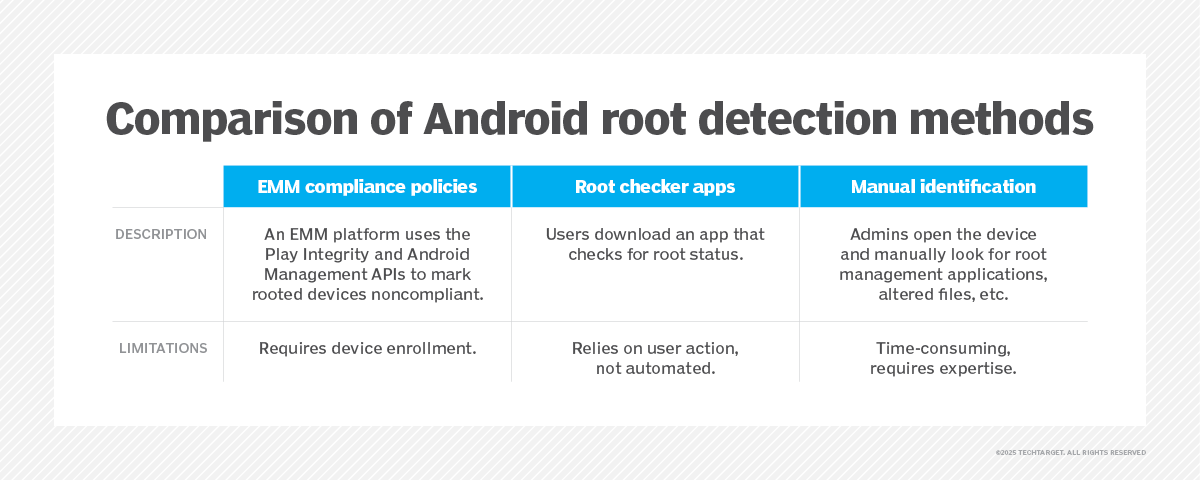
At its core, hardware attestation is a trust handshake. A device cryptographically proves to a remote server that it is running software the manufacturer officially signed and hasn't been tampered with. Think of it like a sealed envelope — if the seal is broken, the recipient knows something changed in transit. On Android, manufacturers ship devices with a default OS that has been validated to work within specified parameters and includes a degree of security controls. That OS is digitally signed with what are called release keys — essentially a manufacturer's cryptographic stamp of approval. A rooted or modified OS, by contrast, carries test keys or unsigned code instead. That difference is detectable. Google's Play Integrity API formalises this detection. It checks whether an app is running on a genuine Android device, whether the app binary has been tampered with, whether the device has Google Play Protect enabled, and whether the software environment can be considered trustworthy. It is the direct successor to SafetyNet Attestation, and it comes with more capabilities for developers than its predecessor offered. For enterprise IT administrators, this is genuinely valuable. A rooted device connecting to a corporate network can bypass security constraints that protect sensitive data. Enterprise Mobility Management platforms use Play Integrity verdicts — alongside checks for root management apps like Magisk or SuperSU and altered system file permissions — to detect compromised devices and automatically block them from accessing corporate resources. **Jargon-Free Explainer** > **Hardware Attestation:** A process where your device sends a cryptographic proof to a server saying, "I am running official, unmodified software." The server decides whether to trust you based on that proof. > **Root Access:** Administrator-level control over your own phone, allowing you to modify the operating system — but also bypassing security controls the manufacturer put in place. > **Play Integrity API:** Google's system that lets app developers ask, "Is this device genuine and unmodified?" and act on the answer.
When Security Becomes a Market Gate
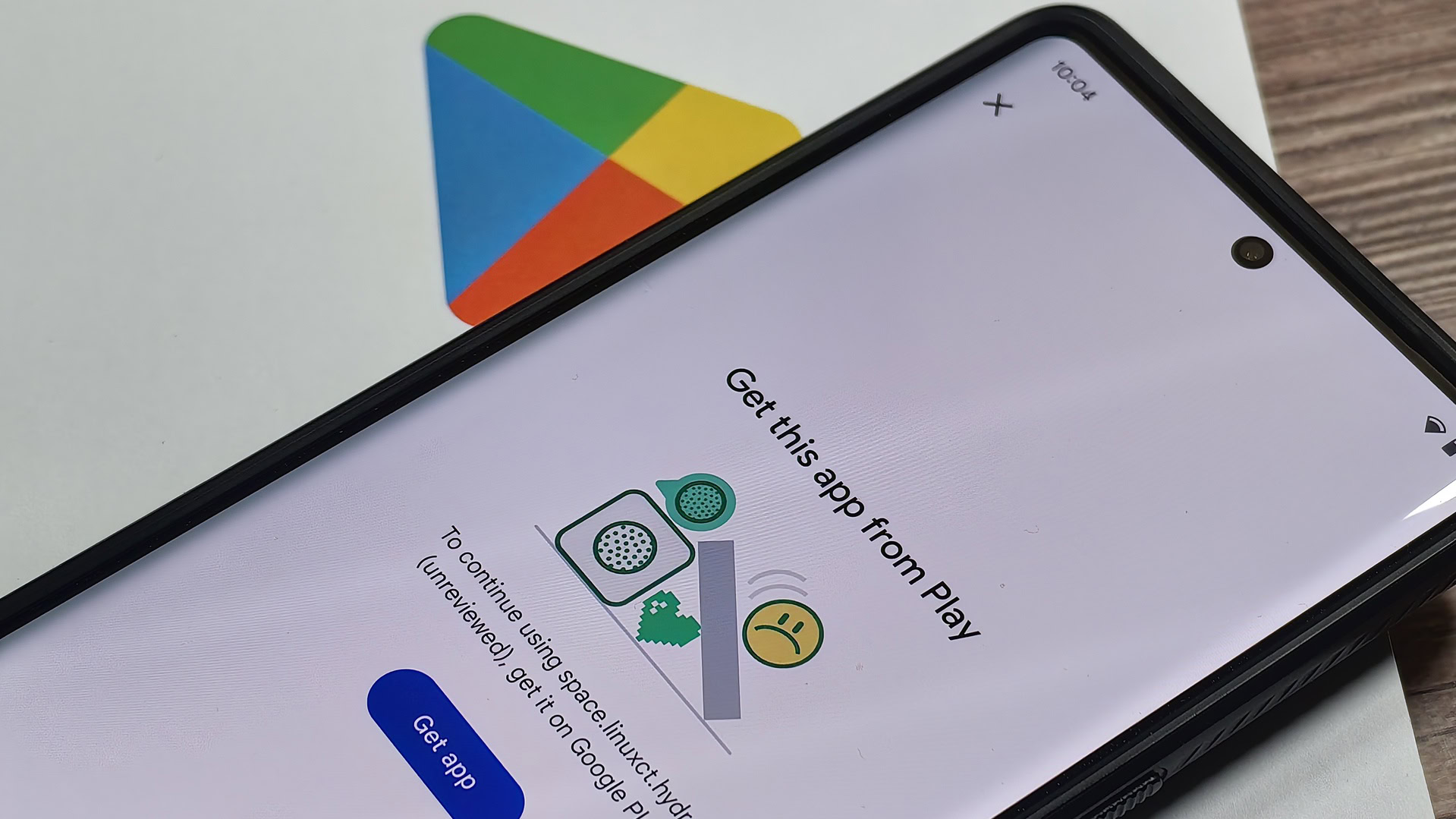
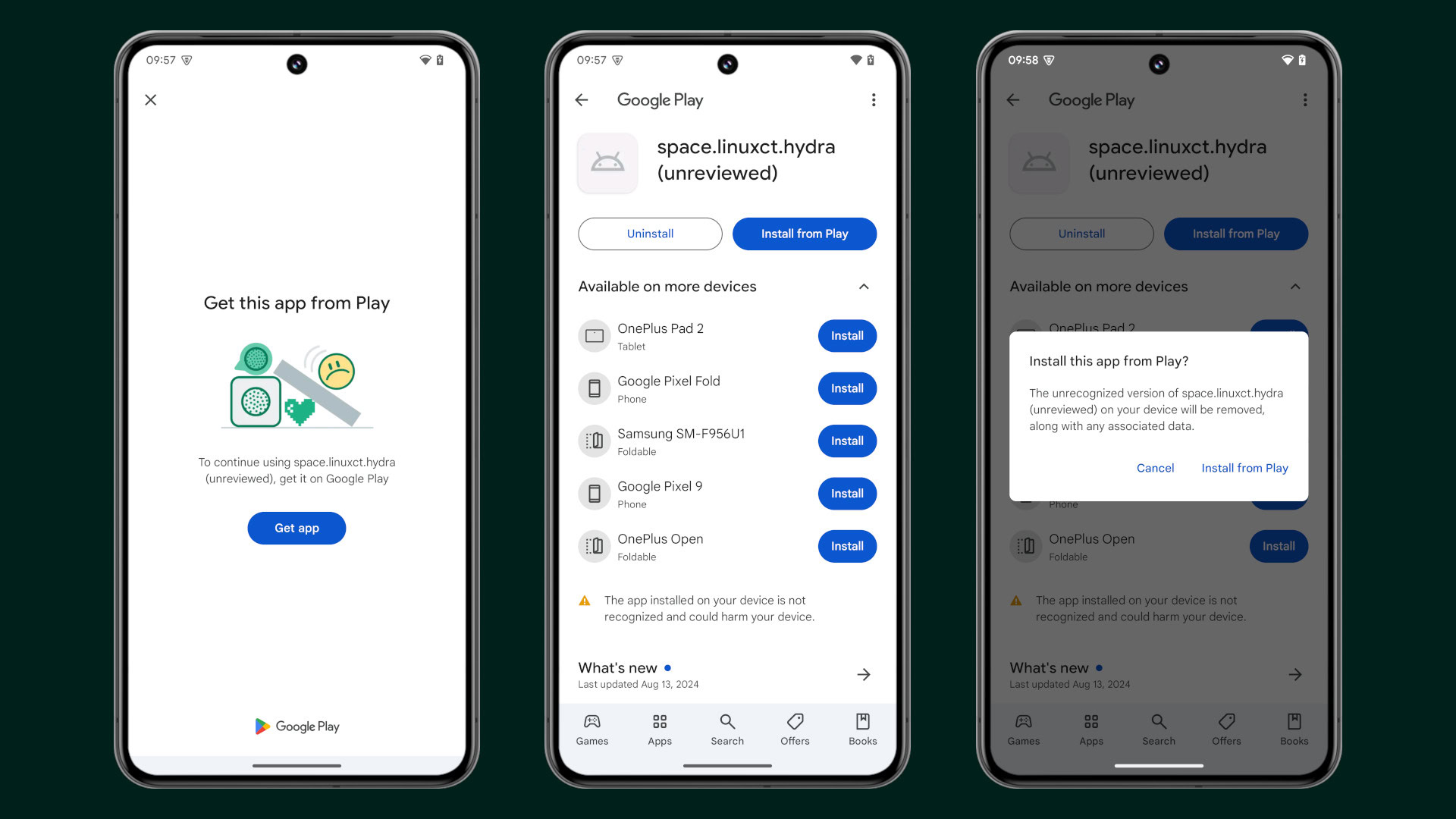
The security case for attestation is real. The problem is that the same mechanism also answers a different question entirely: *did you get this app from the store we approved?* Google's Play Integrity API now lets developers check whether a user is "unlicensed" — meaning they didn't install or purchase the app through the Google Play Store. More significantly, the API now supports remediation dialogs: pop-up prompts that tell users they must download the app from Google Play to continue. This feature was introduced at Google I/O in 2024 and was already being used by some games to block sideloading by September of that year. Sideloading — installing apps from outside an official store — has legitimate uses. Developers use it for testing. Users in regions with limited store availability rely on it. Researchers use it to audit app behaviour. But sideloaded apps don't contribute to a developer's Play Store metrics, and they let users bypass the store's revenue-sharing rules. The WhatsApp case is instructive. Users running modified Android clients — or using official WhatsApp on a rooted phone — encounter the error "You need the official WhatsApp to use this account." The fix, per the guidance circulating among users, is to install WhatsApp from the Google Play Store and use a Play Protect certified device. The workaround for rooted device users involves installing SafetyNet Fix through Magisk — a tool specifically designed to make a modified device *appear* unmodified to attestation checks. That a cottage industry of bypass tools exists at all tells you something about how aggressively attestation is now being applied.
Where the Line Is — and Where It Gets Blurry
The distinction between legitimate security enforcement and competitive foreclosure is real, but it requires careful attention to *what exactly* is being blocked and *why*. Blocking a rooted device from accessing a corporate email server? The enterprise security rationale is clear: root access allows a compromised device to exfiltrate data in ways the company cannot audit or control. Blocking a rooted device from a banking app? Plausible — a modified OS could theoretically allow malware to intercept transactions. Blocking a legitimately purchased app from running because it was sideloaded rather than installed through a specific store? That's a different category of restriction. The security risk of a sideloaded app that is otherwise identical to the Play Store version is marginal. The business logic — ensuring store metrics are captured, ensuring revenue sharing is enforced, ensuring the platform owner controls distribution — is considerably more visible. The Play Integrity API puts this decision entirely in developers' hands. Developers receive an integrity verdict and then decide what to do with it. Some block access on launch. Others only call the API before sensitive actions. The API itself doesn't mandate any particular response — but the infrastructure now makes it trivially easy to enforce store-origin requirements, and the remediation dialog system makes that enforcement seamless for users who don't know what sideloading even is. Samsung's Knox system, built into Samsung devices, similarly uses hardware-level security to create a trusted execution environment — legitimate and useful for separating work and personal data, but also part of an ecosystem where the device manufacturer's security architecture shapes what software can and cannot claim trustworthiness.

The Structural Wall Ahead
The downstream consequences of attestation-as-gatekeeper extend beyond individual app blocks. As attestation becomes more deeply embedded in device hardware and more widely adopted by app developers, two things face a structural challenge that software-level policy hasn't addressed. The first is right-to-repair and device modification. When a modified OS — even one installed legitimately on hardware you own — permanently disqualifies a device from running major apps, the practical value of owning that hardware diminishes. Android devices are already shipped with manufacturer-approved operating systems, and root access is framed consistently in enterprise documentation as a security risk to be remediated, not a user right to be accommodated. The second is third-party software ecosystems. The Play Integrity remediation dialog doesn't just inform users — it actively routes them back to the official store. For alternative app distribution channels, this is a structural headwind that grows as more developers implement the check. The API's design makes blocking sideloading easier than allowing it, which shapes developer defaults even without any explicit policy requirement. What to watch: whether regulators in any jurisdiction treat attestation-based distribution restrictions as an antitrust concern separate from the app store fee debates that have dominated headlines so far. The technical layer is further upstream than store commissions — and no significant regulatory framework has yet addressed what it means when the hardware itself decides which software environments are legitimate. **What this means for you right now:** If you use a rooted Android device and rely on banking apps, WhatsApp, or enterprise tools, Play Integrity checks are the reason those apps may refuse to run. The bypass tools exist, but using them means actively spoofing security signals — a tradeoff worth understanding clearly before you make it.

Sources
- [1]How to detect and fix a rooted Android phone — TechTarget
- [2]I/O 2022: Android 13 security and privacy (and more!) — blog.google
- [3]Apps can now block sideloading more easily and force downloads through Google Play — Android Authority
- [4]What is Samsung Knox and what does it mean to have it in your Samsung device? — SoyaCincau
- [5]Fix "You Need the Official WhatsApp to Use This Account" Error — TechPP
Comments
No comments yet — be the first to weigh in.