Tensor G6 Is Barely an Upgrade. Google's Chip Strategy Has a Deeper Problem.
Google keeps building chips that win on its own terms — and losing on everyone else's.

You're paying flagship money. What exactly are you buying?
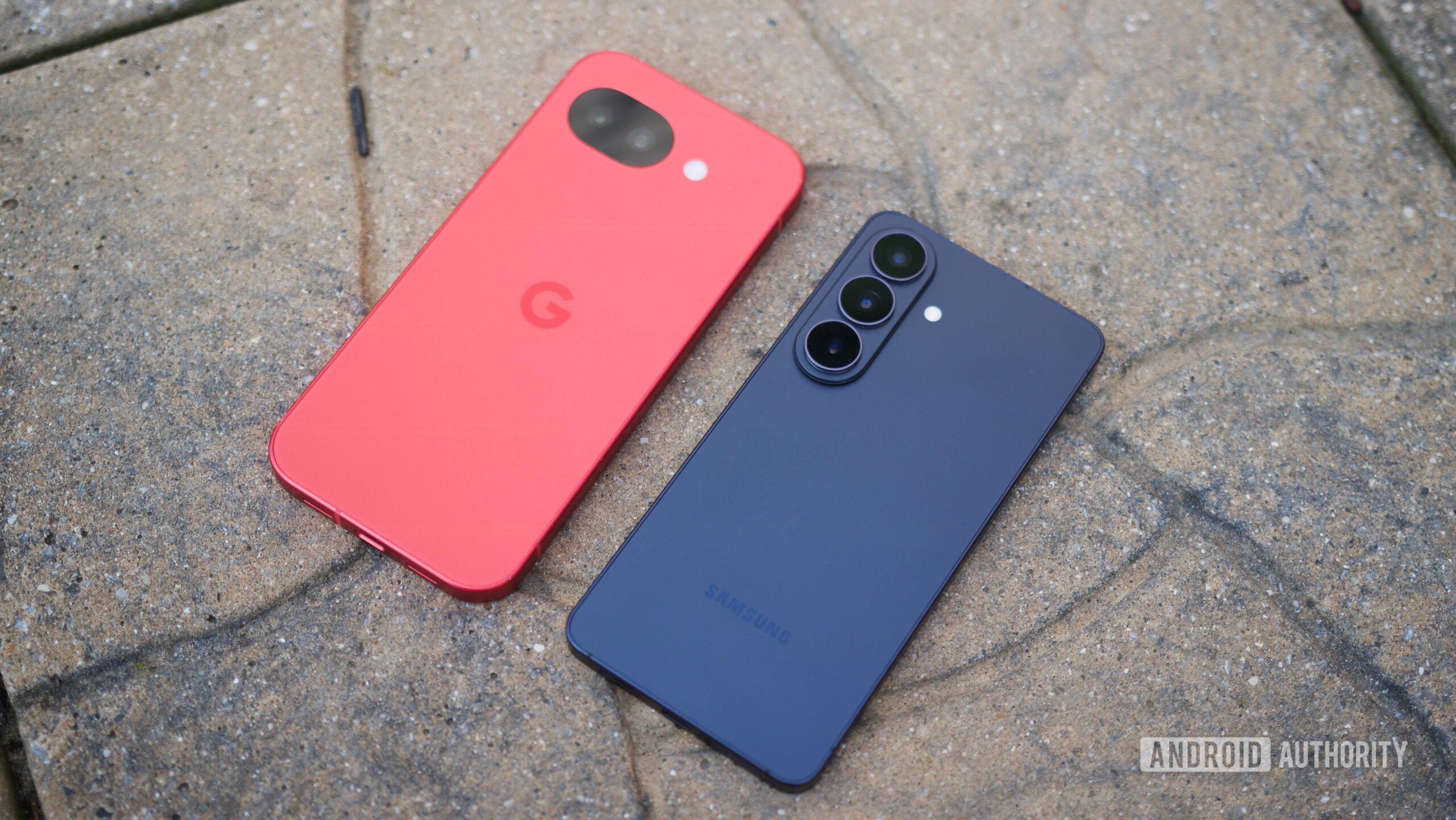
Here's the situation: you walk into a phone shop, and two flagships are sitting side by side. One runs Qualcomm's Snapdragon 8 Elite Gen 5. The other runs Google's Tensor G6. The Snapdragon phone plays COD Mobile at 120fps on Very High settings — stably, efficiently. The Pixel is capped at 90fps, limited to medium graphics, and draws more power doing it. Both phones cost serious money. That's the friction point Google hasn't resolved, and it's getting harder to ignore as Pixel prices creep upward. Leaks suggest the Pixel 11 Pro XL could launch north of $1,300. At that price, 'good enough for daily use' stops being an acceptable answer. Buyers at that tier aren't just buying a phone — they're buying a statement about what flagship means. And right now, Google and its customers don't agree on the definition.
What Tensor G6 actually improves — and where it doesn't
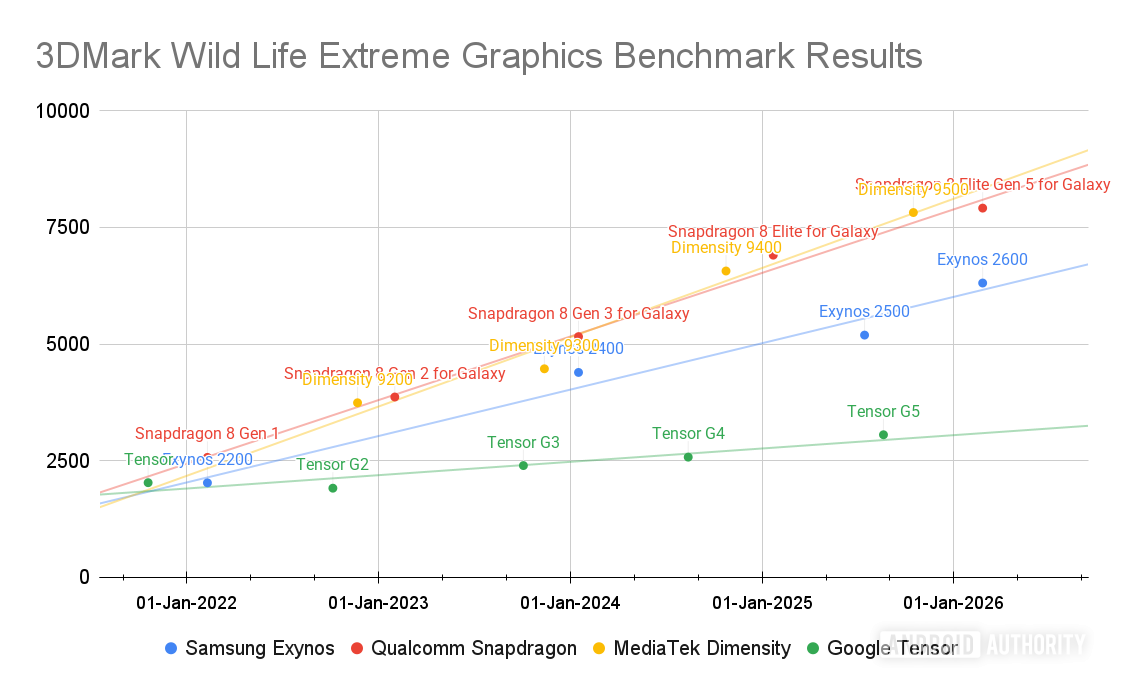
The Tensor G6 does make real gains in one area: CPU architecture. The chip is expected to feature a single Arm C1-Ultra core at 4.11GHz, alongside four C1-Pro cores at 3.38GHz and two C1-Pro cores at 2.65GHz. Google is skipping the Cortex X925 generation entirely, jumping straight to the same CPU cohort as the MediaTek Dimensity 9500. Based on single-core Geekbench 6 results, there's around a 40% potential uplift between the old Cortex-X4 cores in the G5 and the new C1 configuration — a meaningful leap if it holds in real-world use. That puts Tensor G6 in roughly the same performance category as Samsung's Exynos 2600, which uses a very similar C1-Ultra and C1-Pro setup. Solid, but not benchmark-topping. The GPU story is where things get uncomfortable. The G6 is reportedly switching to a PowerVR CXTP-48-1536 — and the lineage of that GPU isn't clearly flagship-tier by 2026 standards. The G5 already struggled here: in real gaming tests, the Pixel 10 Pro XL drew 5.8W on average in COD Mobile versus 3.9W for the Snapdragon 8 Elite Gen 5 on the same settings, while delivering a worse frame rate. There's no evidence the G6 closes that gap meaningfully.
Google's rationale: principled trade-off or convenient excuse?
Google's position has always been that Tensor isn't trying to beat Qualcomm on benchmarks — it's optimised for Pixel-specific AI and computational photography tasks, with the NPU and ISP doing the heavy lifting that matters most to the average user. That argument has genuine merit, and it's not entirely wrong. Since the Tensor G3 in the Pixel 8, the chips have been described as 'solid' daily performers — the overheating and battery disasters of the Pixel 6 and 7 era are largely behind Google. The problem is that 'optimised for AI tasks' is increasingly hard to verify as a differentiator, because every flagship chip in 2026 — Snapdragon 8 Elite Gen 5, Dimensity 9500, even Exynos 2600 — now has serious on-device AI credentials too. Google's NPU advantage, real as it may have been in 2022, is no longer a clear moat. What's left is a chip that underperforms on GPU benchmarks, performs comparably to mid-tier flagships on CPU tasks, and asks buyers to trust that the parts they can't easily measure are where the value lives. That's a hard sell at $1,300.
The strategic communication failure nobody is naming
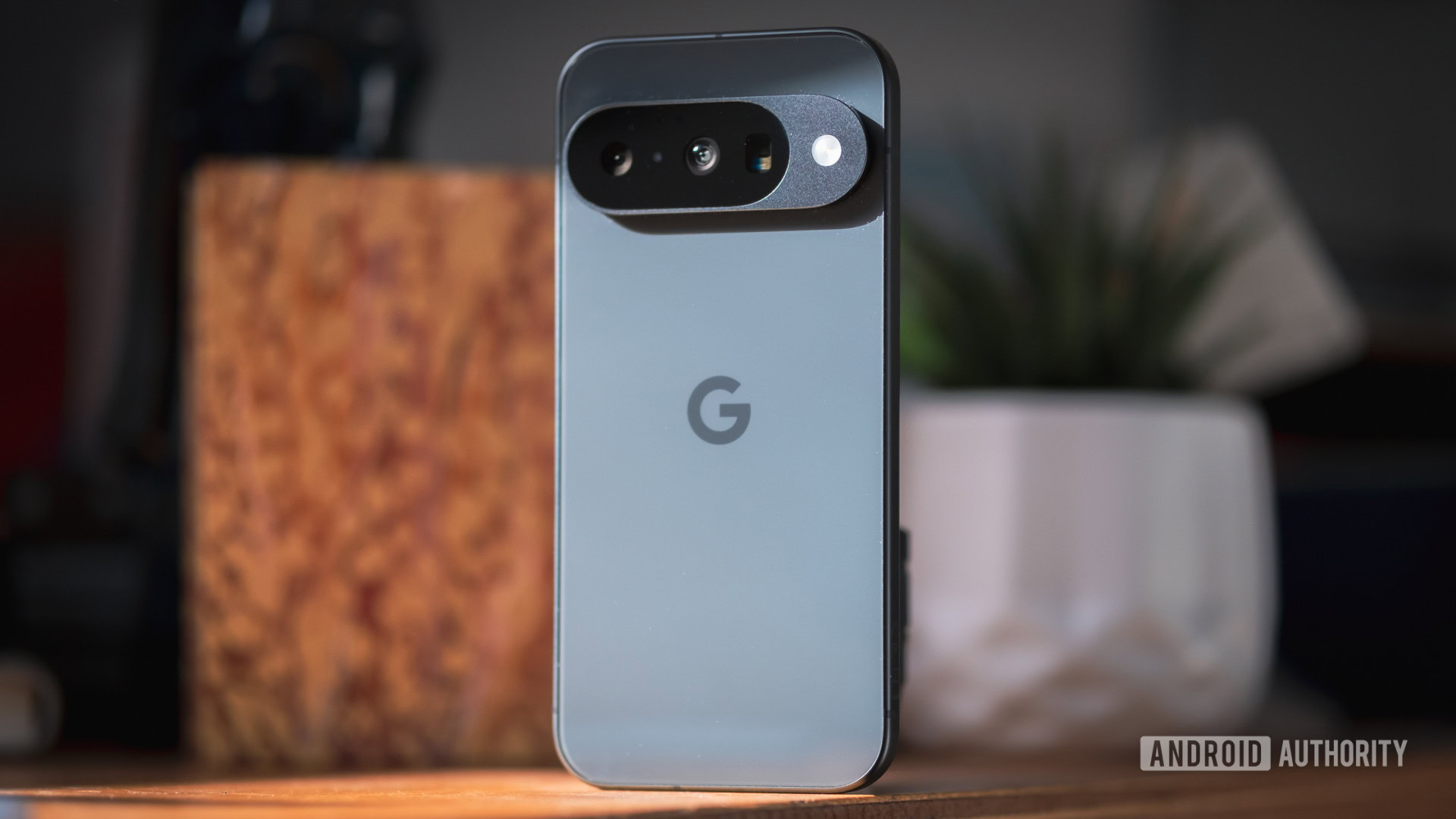
The deeper issue isn't the chip — it's that Google has never clearly told the market how to evaluate Tensor, and that ambiguity is now costing it in the premium segment. When a Snapdragon phone underperforms, reviewers have a clear benchmark framework to call it out. When a Tensor phone underperforms on the same benchmarks, Google's implicit response is: 'those benchmarks aren't the point.' But Google has never published its own alternative framework — no official NPU benchmarks, no ISP performance comparisons, no concrete data on how Tensor's AI optimisations translate to real user outcomes better than a Snapdragon phone would. The result is a market that doesn't know whether to evaluate Pixel on traditional metrics or on Google's own terms. A poll of Android Authority readers captures the mood: 33% of respondents said Tensor G6 performance was their biggest concern about the Pixel 11 series — more than rising prices (31%) or battery life (28%). That's not a chip problem. That's a trust problem. And it's one Google has had multiple generations to address.
What to watch: the price announcement changes everything
The Tensor G6 debate becomes academic the moment Google announces Pixel 11 pricing. If the Pixel 11 Pro XL lands north of $1,300 as leaks suggest, every GPU limitation and benchmark gap becomes fair game for scrutiny — and 'great software' won't be enough to close the argument. Watch for three things: First, whether Google publishes any first-party performance data that reframes how Tensor should be evaluated — if they don't, the benchmark narrative owns the story. Second, how the Pixel 11's gaming performance compares in real-world tests to the Snapdragon 8 Elite Gen 5 and the upcoming Snapdragon 8 Elite Gen 6, which is already rumoured for a major performance jump. Third, whether the Pixel 10a's strategy — holding price as the headline spec — gives Google a template it can apply to the base Pixel 11, even if the Pro models remain vulnerable. Google has the software story, the camera story, and seven years of Android updates. The chip story is the one it still hasn't figured out how to tell.
Sources
- [1]The Pixel 11’s Tensor G6 sounds promising — until you compare it to rival flagship chips — Android Authority
- [2]Google is facing its biggest problem yet with the Pixel 11 — Android Authority
- [3]Very early Snapdragon 8 Elite Gen 6 leak talks CPU, GPU specs and more — Android Central
- [4]Google’s Tensor G5 is ‘good enough’ — but 2026 flagships are leaving the Pixel 10 behind — Android Authority
- [5]I compared the Snapdragon 8 Elite Gen 5 to the Snapdragon 8 Elite, Tensor G5, and Dimensity 9500 — Android Central
Comments
No comments yet — be the first to weigh in.